The midsize sedan class is smaller than it used to be, but the cars that remain are better than ever. The 2026 Hyundai Sonata, the 2026 Toyota Camry, the 2026 Honda Accord, and the 2026 Nissan Altima all promise the same basic things: room for five, strong fuel economy, and a long list of driver assistance technology. Where they separate is in how much choice each one gives you and how much equipment comes standard instead of costing extra. One of these four offers naturally aspirated, turbocharged, and hybrid power, along with available all-wheel drive and a big touchscreen on every single trim. Let’s look at how these four midsize sedans compare, and which one comes out ahead.
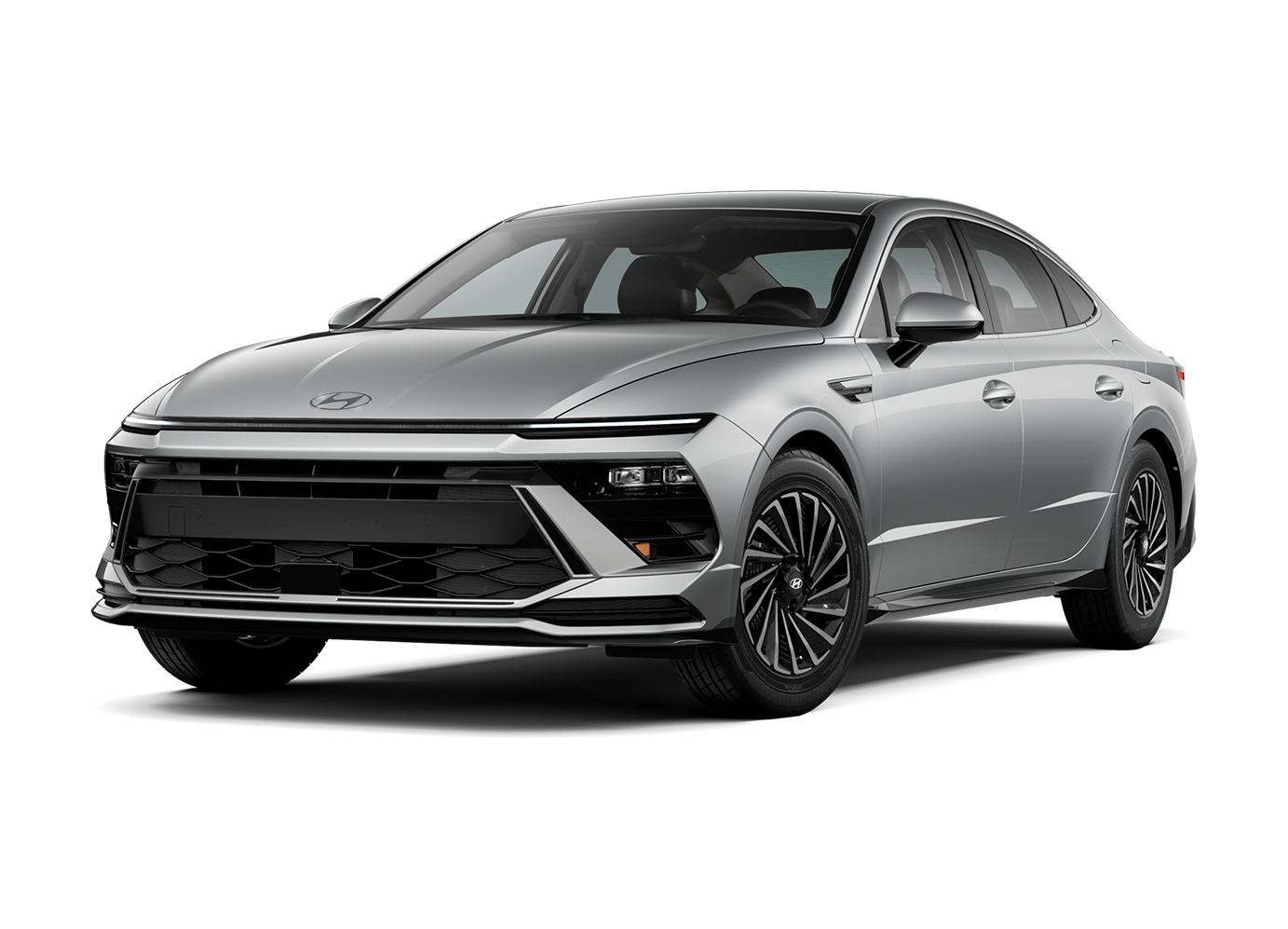
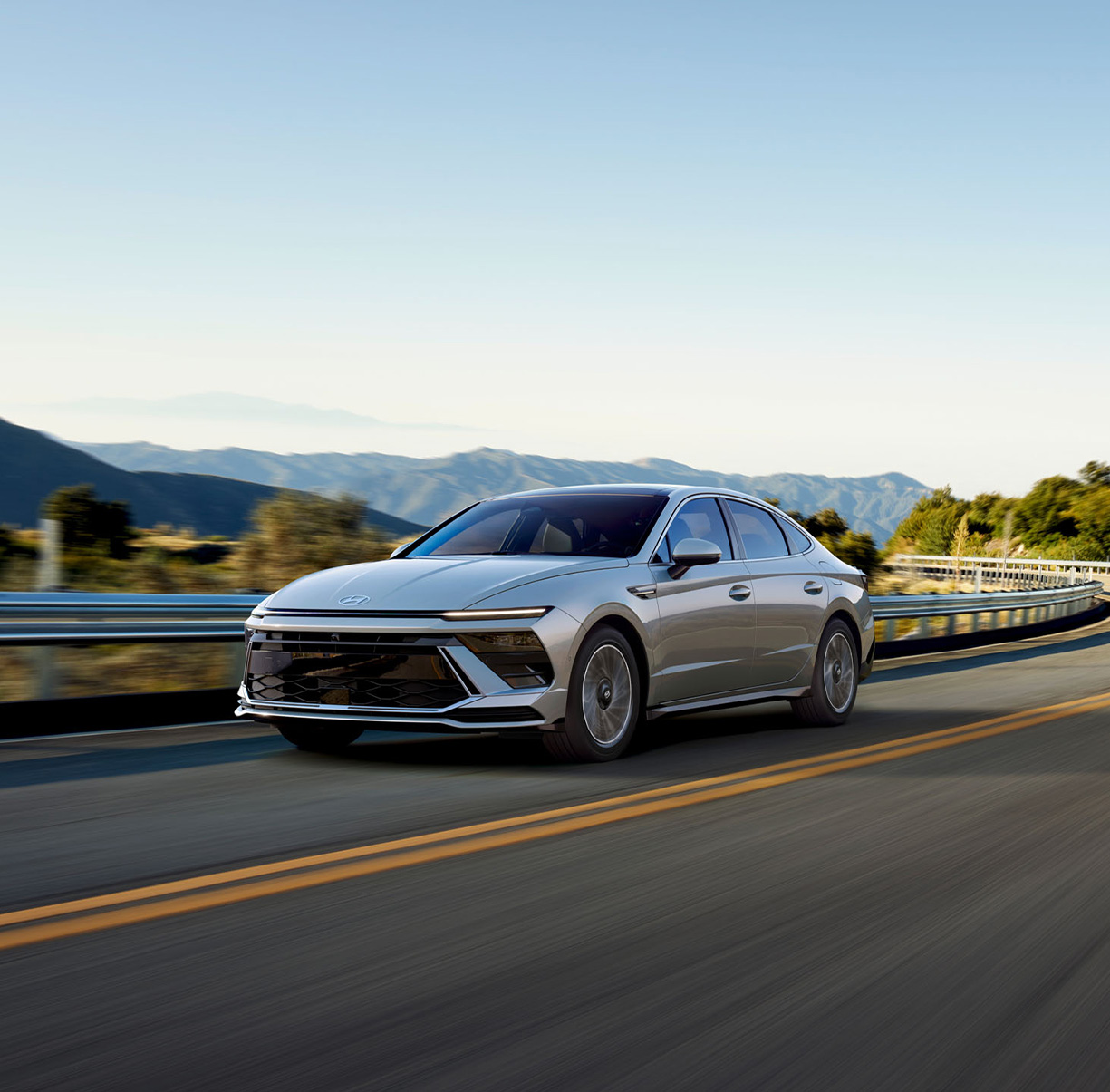
The Sonata is the only car in this group that offers three distinct powertrains. The standard 2.5-liter four-cylinder produces 191 horsepower and 181 lb-ft of torque through an 8-speed automatic. Step up to the turbocharged N Line and output jumps to 290 horsepower and 311 lb-ft, routed through an 8-speed wet dual-clutch transmission with paddle shifters. The Sonata Hybrid pairs a 2.0-liter four-cylinder with a 39 kW electric motor for 192 combined horsepower and a conventional 6-speed automatic rather than a CVT. HTRAC all-wheel drive is available on the SEL Sport.
None of the three rivals comes close on peak output. The Camry is hybrid-only for 2026, producing 225 net combined horsepower with front-wheel drive and 232 horsepower when the rear electric motor is added for all-wheel drive. The Accord offers a 192-horsepower turbocharged 1.5-liter or a two-motor hybrid rated at 204 total system horsepower, and every Accord is front-wheel drive. The Altima carries a single 2.5-liter four-cylinder making 188 horsepower and 180 lb-ft through an Xtronic CVT. The Sonata N Line’s 290 horsepower is 58 more than the strongest Camry and 86 more than the strongest Accord.
Efficiency tells a similar story. The Sonata Blue Hybrid is EPA-rated at 47 mpg city, 56 mpg highway, and 51 mpg combined. The most efficient Camry, the LE with front-wheel drive, returns 52 city, 49 highway, and 51 combined, matching the Sonata on the combined figure but giving up 7 mpg on the highway. The thriftiest Accord Hybrid, the EX-L, is rated 51 city, 44 highway, and 48 combined, while the Altima tops out at 26 city, 36 highway, and 30 combined. For drivers who spend real time at highway speed, the Sonata Hybrid is the clear pick.
The Camry deserves credit for making all-wheel drive available on every trim, which is broader coverage than Hyundai offers, and the Accord Hybrid’s 247 lb-ft of electric torque is on tap from just off idle. But neither can match the Sonata’s spread of choices, and neither offers anything like the N Line when you want a midsize sedan that actually moves.
The Sonata carries a fastback roofline and a full-width lighting signature, a more coupe-inspired profile than the traditional three-box shapes of the Camry, Accord, and Altima. It measures 193.3 inches long on a 111.8-inch wheelbase, and it carries the most front legroom of the four. Hyundai lists 46.1 inches of front legroom, ahead of the Accord’s 42.3 inches, the Altima’s 43.8 inches, and the Camry’s 42.1 inches. Front headroom on the SE, SEL Sport, and Blue Hybrid measures 40.0 inches, which also leads this group.
Trunk space favors the Sonata over two of its three rivals. Hyundai rates the Sonata at 15.6 cubic feet, compared with 15.4 for the Altima and 15.1 for the Camry. The Accord is the outlier here with 16.7 cubic feet, the most of these four, and it also leads on rear legroom at 40.8 inches against 38.0 in the Camry, 35.2 in the Altima, and 34.8 in the Sonata. If back-seat stretch-out room is your single highest priority, the Accord earns that point honestly.
Where the Sonata pulls back ahead is in how quickly the cabin turns premium. Heated front seats are standard on four of the six Sonata trims, covering the SEL Sport, N Line, SEL Hybrid, and Limited Hybrid, while the Accord LX does without them entirely and the Altima treats them as a package option. Move to the Limited Hybrid and the Sonata adds leather seating, ventilated front seats, a heated steering wheel, a panoramic sunroof, rain-sensing wipers, and ambient lighting with 64 color choices. The Accord reserves ventilated seats and a heated steering wheel for the top Touring Hybrid, while the Altima offers a heated steering wheel only as part of a package on the SR and does not offer ventilated seats at all.
This is where the gap is widest. Every 2026 Sonata, from the entry SE to the Limited Hybrid, comes with a 12.3-inch touchscreen. The Camry starts with an 8-inch display, the Accord LX and SE use a 9-inch screen, and the Altima SV opens with an 8-inch unit. Apple CarPlay and Android Auto are standard across the entire Sonata lineup, as is Bluelink+ connected services and a rear view monitor with parking guidance. The N Line and Limited Hybrid add a 12.3-inch digital instrument cluster, navigation, a 12-speaker Bose premium audio system, and Hyundai Digital Key 2 Premium.
On the safety side, Hyundai SmartSense is standard on all six trims and includes:
The N Line and Limited Hybrid add Highway Driving Assist, and the Limited Hybrid layers on a Surround View Monitor, Blind-Spot View Monitor, Remote Smart Parking Assist, and front, side, and rear parking distance warning.
The competition is uneven by comparison. Toyota Safety Sense 3.0 is standard on every Camry, which makes the Camry the most consistently equipped of the three rivals. Honda Sensing is standard on every Accord, but the base LX goes without blind-spot monitoring and rear cross-traffic monitoring entirely. And while Safety Shield 360 is standard on every Altima, adaptive cruise control, lane centering, and the surround-view camera are all package options rather than standard equipment, which puts the Altima a step behind on the features drivers use most on the highway.
There is one more piece of long-term protection worth weighing. The Sonata is covered by a 10-year or 100,000-mile powertrain limited warranty, with matching 10-year or 100,000-mile coverage on the hybrid battery and hybrid system components. The Camry, Accord, and Altima each carry 5-year or 60,000-mile powertrain coverage.
The 2026 Hyundai Sonata is the winner of this four-way comparison. It is the only sedan here that lets you choose between efficient naturally aspirated power, a 290-horsepower turbocharged N Line, and a hybrid rated at 56 mpg on the highway, and it backs that range with available all-wheel drive on the SEL Sport. It is also the only one of the four with a 12.3-inch touchscreen standard on every trim, paired with a full SmartSense driver assistance suite on every trim rather than reserved for higher grades or optional packages.
The Camry matches the Sonata Hybrid’s combined rating and spreads all-wheel drive across its entire lineup. The Accord offers the roomiest back seat and the largest trunk of these four. The Altima keeps things simple with one powertrain and available all-wheel drive. Each has a real strength. None of them delivers the Sonata’s combination of powertrain choice, standard technology, and 10-year or 100,000-mile powertrain coverage in a single package.
Come see the difference for yourself. Visit Delaney Hyundai of Dubois in DuBois, PA to explore the 2026 Hyundai Sonata lineup and schedule your test drive.